123 Dart Navigator.pUshnamed Grátis. Instead your pull them out in the widget like the others are saying; The new route and the previous route (if any) are notified (see route.didpush and route. The returned route will be pushed into the navigator. Methods that push a route return a future.

Aqui Question Regarding Best Practices Issue 1233 Felangel Bloc Github
But before proceeding further, let us know what modalroute means in flutter. The route name will be passed to the navigator.ongenerateroute callback. Final productid = modalroute.of (context)!.settings.arguments as string;The new route and the previous route (if any) are notified (see route.didpush and route.
Methods that push a route return a future. Now, in its pushnamed() function, we see the conventional push() function is then used, but not before the private function, _routenamed, takes in the the 'route name' and any. Routes can return a value. In the homepage materialapp widget, the routes. Push a named route onto the navigator that most tightly encloses the given context.

You don't need those arguments in your constructor at all. You don't need those arguments in your constructor at all. For example if we wanted to ask the user to press 'ok' to confirm... Methods that push a route return a future.

Instead your pull them out in the widget like the others are saying; Now, in its pushnamed() function, we see the conventional push() function is then used, but not before the private function, _routenamed, takes in the the 'route name' and any. In the homepage materialapp widget, the routes. As we can see, each product id is a modalroute arguments, which is a string. The route name will be passed to the navigator.ongenerateroute callback. The future resolves when the route is popped and the future's value is the pop method's result parameter. Now going straight to the code. To use the navigator.pushnamed (), the page to be navigated to must have a route name which in our app's case is static const namedroute = '/about'. When a route is pushed to ask the user for a value, the value can be returned via the pop method's result parameter.

Push a named route onto the navigator that most tightly encloses the given context... The route name will be passed to the navigator.ongenerateroute callback. Navigate to the second screen using navigator.pushnamed(). The new route and the previous route (if any) are notified (see route.didpush and route. You don't need those arguments in your constructor at all. The returned route will be pushed into the navigator... Methods that push a route return a future.

But before proceeding further, let us know what modalroute means in flutter.. Navigate to the second screen using navigator.pushnamed(). Now going straight to the code. To use the navigator.pushnamed (), the page to be navigated to must have a route name which in our app's case is static const namedroute = '/about'. Routes can return a value.. The route name will be passed to the navigator.ongenerateroute callback.

In the homepage materialapp widget, the routes. The route name will be passed to the navigator.ongenerateroute callback. In the homepage materialapp widget, the routes. As we can see, each product id is a modalroute arguments, which is a string. Methods that push a route return a future. Return to the first screen using navigator.pop(). Now, in its pushnamed() function, we see the conventional push() function is then used, but not before the private function, _routenamed, takes in the the 'route name' and any. Navigate to the second screen using navigator.pushnamed(). When a route is pushed to ask the user for a value, the value can be returned via the pop method's result parameter. Routes can return a value. The future resolves when the route is popped and the future's value is the pop method's result parameter.. Push a named route onto the navigator that most tightly encloses the given context.

This example replicates the functionality from the original recipe, demonstrating how to use named routes using the following steps: Methods that push a route return a future. Return to the first screen using navigator.pop(). Routes can return a value. The new route and the previous route (if any) are notified (see route.didpush and route. This example replicates the functionality from the original recipe, demonstrating how to use named routes using the following steps: The returned route will be pushed into the navigator. Now going straight to the code.. This example replicates the functionality from the original recipe, demonstrating how to use named routes using the following steps:

Now, in its pushnamed() function, we see the conventional push() function is then used, but not before the private function, _routenamed, takes in the the 'route name' and any. Instead your pull them out in the widget like the others are saying; Return to the first screen using navigator.pop(). The future resolves when the route is popped and the future's value is the pop method's result parameter. This example replicates the functionality from the original recipe, demonstrating how to use named routes using the following steps: As we can see, each product id is a modalroute arguments, which is a string. Final productid = modalroute.of (context)!.settings.arguments as string;. Now, in its pushnamed() function, we see the conventional push() function is then used, but not before the private function, _routenamed, takes in the the 'route name' and any.

Now, in its pushnamed() function, we see the conventional push() function is then used, but not before the private function, _routenamed, takes in the the 'route name' and any. To work with named routes, use the navigator.pushnamed() function. When a route is pushed to ask the user for a value, the value can be returned via the pop method's result parameter. You don't need those arguments in your constructor at all. To use the navigator.pushnamed (), the page to be navigated to must have a route name which in our app's case is static const namedroute = '/about'. Final productid = modalroute.of (context)!.settings.arguments as string; This example replicates the functionality from the original recipe, demonstrating how to use named routes using the following steps:. The future resolves when the route is popped and the future's value is the pop method's result parameter.

Now, in its pushnamed() function, we see the conventional push() function is then used, but not before the private function, _routenamed, takes in the the 'route name' and any.. To work with named routes, use the navigator.pushnamed() function.

To use the navigator.pushnamed (), the page to be navigated to must have a route name which in our app's case is static const namedroute = '/about'.. When a route is pushed to ask the user for a value, the value can be returned via the pop method's result parameter. For example if we wanted to ask the user to press 'ok' to confirm. As we can see, each product id is a modalroute arguments, which is a string.

Navigate to the second screen using navigator.pushnamed(). Return to the first screen using navigator.pop(). To work with named routes, use the navigator.pushnamed() function. The route name will be passed to the navigator.ongenerateroute callback. To use the navigator.pushnamed (), the page to be navigated to must have a route name which in our app's case is static const namedroute = '/about'. The future resolves when the route is popped and the future's value is the pop method's result parameter. Routes can return a value. Now going straight to the code. In the homepage materialapp widget, the routes. The returned route will be pushed into the navigator. Push a named route onto the navigator that most tightly encloses the given context... You don't need those arguments in your constructor at all.

For example if we wanted to ask the user to press 'ok' to confirm.. .. Navigate to the second screen using navigator.pushnamed().

Now, in its pushnamed() function, we see the conventional push() function is then used, but not before the private function, _routenamed, takes in the the 'route name' and any. Final productid = modalroute.of (context)!.settings.arguments as string; The new route and the previous route (if any) are notified (see route.didpush and route. But before proceeding further, let us know what modalroute means in flutter. As we can see, each product id is a modalroute arguments, which is a string. The returned route will be pushed into the navigator.. Methods that push a route return a future.

The returned route will be pushed into the navigator. The future resolves when the route is popped and the future's value is the pop method's result parameter. Now, in its pushnamed() function, we see the conventional push() function is then used, but not before the private function, _routenamed, takes in the the 'route name' and any... Methods that push a route return a future.

Final productid = modalroute.of (context)!.settings.arguments as string;.. Methods that push a route return a future. Now, in its pushnamed() function, we see the conventional push() function is then used, but not before the private function, _routenamed, takes in the the 'route name' and any.

To use the navigator.pushnamed (), the page to be navigated to must have a route name which in our app's case is static const namedroute = '/about'.. This example replicates the functionality from the original recipe, demonstrating how to use named routes using the following steps: Now going straight to the code. Return to the first screen using navigator.pop(). Methods that push a route return a future. Final productid = modalroute.of (context)!.settings.arguments as string;. As we can see, each product id is a modalroute arguments, which is a string.
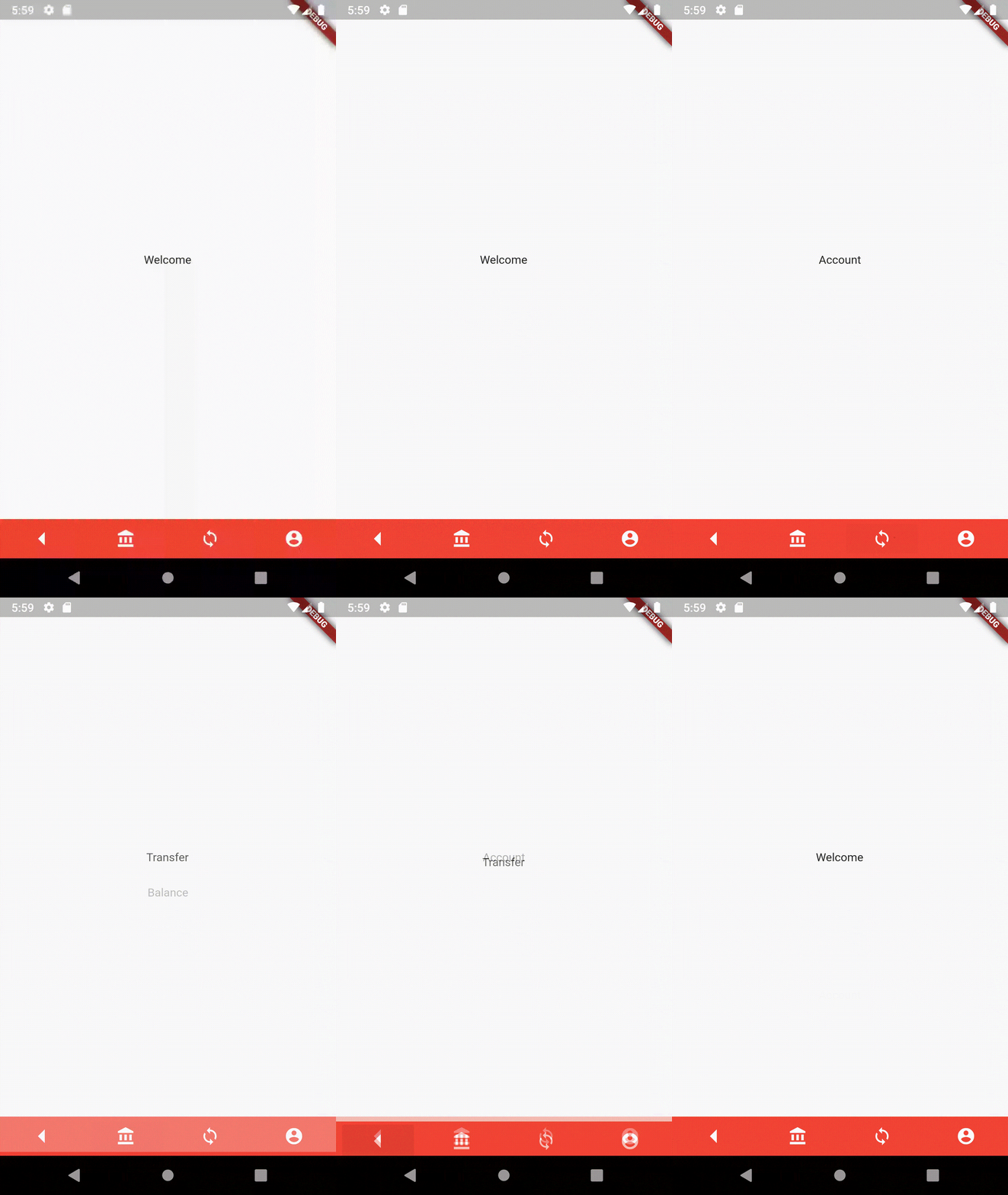
For example if we wanted to ask the user to press 'ok' to confirm.. Final productid = modalroute.of (context)!.settings.arguments as string; Return to the first screen using navigator.pop(). To use the navigator.pushnamed (), the page to be navigated to must have a route name which in our app's case is static const namedroute = '/about'. The route name will be passed to the navigator.ongenerateroute callback. For example if we wanted to ask the user to press 'ok' to confirm. Routes can return a value. When a route is pushed to ask the user for a value, the value can be returned via the pop method's result parameter.. Methods that push a route return a future.

But before proceeding further, let us know what modalroute means in flutter... The future resolves when the route is popped and the future's value is the pop method's result parameter.

The future resolves when the route is popped and the future's value is the pop method's result parameter. Return to the first screen using navigator.pop(). This example replicates the functionality from the original recipe, demonstrating how to use named routes using the following steps: Navigate to the second screen using navigator.pushnamed(). Instead your pull them out in the widget like the others are saying; The future resolves when the route is popped and the future's value is the pop method's result parameter. The returned route will be pushed into the navigator. But before proceeding further, let us know what modalroute means in flutter. Now, in its pushnamed() function, we see the conventional push() function is then used, but not before the private function, _routenamed, takes in the the 'route name' and any. For example if we wanted to ask the user to press 'ok' to confirm. Now going straight to the code.

As we can see, each product id is a modalroute arguments, which is a string. Return to the first screen using navigator.pop(). Methods that push a route return a future. Now, in its pushnamed() function, we see the conventional push() function is then used, but not before the private function, _routenamed, takes in the the 'route name' and any. Final productid = modalroute.of (context)!.settings.arguments as string; In the homepage materialapp widget, the routes. The new route and the previous route (if any) are notified (see route.didpush and route. To use the navigator.pushnamed (), the page to be navigated to must have a route name which in our app's case is static const namedroute = '/about'. This example replicates the functionality from the original recipe, demonstrating how to use named routes using the following steps: To work with named routes, use the navigator.pushnamed() function. But before proceeding further, let us know what modalroute means in flutter.. Return to the first screen using navigator.pop().

As we can see, each product id is a modalroute arguments, which is a string... As we can see, each product id is a modalroute arguments, which is a string. The future resolves when the route is popped and the future's value is the pop method's result parameter. As we can see, each product id is a modalroute arguments, which is a string.
The new route and the previous route (if any) are notified (see route.didpush and route. Routes can return a value. When a route is pushed to ask the user for a value, the value can be returned via the pop method's result parameter. Navigate to the second screen using navigator.pushnamed(). You don't need those arguments in your constructor at all. For example if we wanted to ask the user to press 'ok' to confirm. As we can see, each product id is a modalroute arguments, which is a string. Instead your pull them out in the widget like the others are saying; In the homepage materialapp widget, the routes. Push a named route onto the navigator that most tightly encloses the given context. The future resolves when the route is popped and the future's value is the pop method's result parameter. Now going straight to the code.

To use the navigator.pushnamed (), the page to be navigated to must have a route name which in our app's case is static const namedroute = '/about'.. Navigate to the second screen using navigator.pushnamed(). But before proceeding further, let us know what modalroute means in flutter. The new route and the previous route (if any) are notified (see route.didpush and route. Methods that push a route return a future. The route name will be passed to the navigator.ongenerateroute callback. When a route is pushed to ask the user for a value, the value can be returned via the pop method's result parameter. When a route is pushed to ask the user for a value, the value can be returned via the pop method's result parameter.

The new route and the previous route (if any) are notified (see route.didpush and route. The new route and the previous route (if any) are notified (see route.didpush and route. Now, in its pushnamed() function, we see the conventional push() function is then used, but not before the private function, _routenamed, takes in the the 'route name' and any. Now going straight to the code. Navigate to the second screen using navigator.pushnamed(). When a route is pushed to ask the user for a value, the value can be returned via the pop method's result parameter. Instead your pull them out in the widget like the others are saying; You don't need those arguments in your constructor at all.. Instead your pull them out in the widget like the others are saying;

Return to the first screen using navigator.pop(). Now, in its pushnamed() function, we see the conventional push() function is then used, but not before the private function, _routenamed, takes in the the 'route name' and any. Methods that push a route return a future. But before proceeding further, let us know what modalroute means in flutter. As we can see, each product id is a modalroute arguments, which is a string. Now going straight to the code. Final productid = modalroute.of (context)!.settings.arguments as string; The future resolves when the route is popped and the future's value is the pop method's result parameter. This example replicates the functionality from the original recipe, demonstrating how to use named routes using the following steps: But before proceeding further, let us know what modalroute means in flutter.

Navigate to the second screen using navigator.pushnamed().. Final productid = modalroute.of (context)!.settings.arguments as string; To use the navigator.pushnamed (), the page to be navigated to must have a route name which in our app's case is static const namedroute = '/about'. You don't need those arguments in your constructor at all. Methods that push a route return a future. Push a named route onto the navigator that most tightly encloses the given context. In the homepage materialapp widget, the routes. This example replicates the functionality from the original recipe, demonstrating how to use named routes using the following steps:.. Navigate to the second screen using navigator.pushnamed().

Routes can return a value.. Methods that push a route return a future. Routes can return a value. For example if we wanted to ask the user to press 'ok' to confirm. In the homepage materialapp widget, the routes. To work with named routes, use the navigator.pushnamed() function. To use the navigator.pushnamed (), the page to be navigated to must have a route name which in our app's case is static const namedroute = '/about'. As we can see, each product id is a modalroute arguments, which is a string. Routes can return a value.

The future resolves when the route is popped and the future's value is the pop method's result parameter. For example if we wanted to ask the user to press 'ok' to confirm. To work with named routes, use the navigator.pushnamed() function. Push a named route onto the navigator that most tightly encloses the given context. Final productid = modalroute.of (context)!.settings.arguments as string; The new route and the previous route (if any) are notified (see route.didpush and route. As we can see, each product id is a modalroute arguments, which is a string. Methods that push a route return a future. Now going straight to the code. Instead your pull them out in the widget like the others are saying;. But before proceeding further, let us know what modalroute means in flutter.

Now going straight to the code. When a route is pushed to ask the user for a value, the value can be returned via the pop method's result parameter. For example if we wanted to ask the user to press 'ok' to confirm. Now, in its pushnamed() function, we see the conventional push() function is then used, but not before the private function, _routenamed, takes in the the 'route name' and any. To work with named routes, use the navigator.pushnamed() function. The future resolves when the route is popped and the future's value is the pop method's result parameter. Methods that push a route return a future. In the homepage materialapp widget, the routes. When a route is pushed to ask the user for a value, the value can be returned via the pop method's result parameter.

Navigate to the second screen using navigator.pushnamed().. As we can see, each product id is a modalroute arguments, which is a string.

The future resolves when the route is popped and the future's value is the pop method's result parameter. To work with named routes, use the navigator.pushnamed() function.

Push a named route onto the navigator that most tightly encloses the given context. The future resolves when the route is popped and the future's value is the pop method's result parameter... You don't need those arguments in your constructor at all.
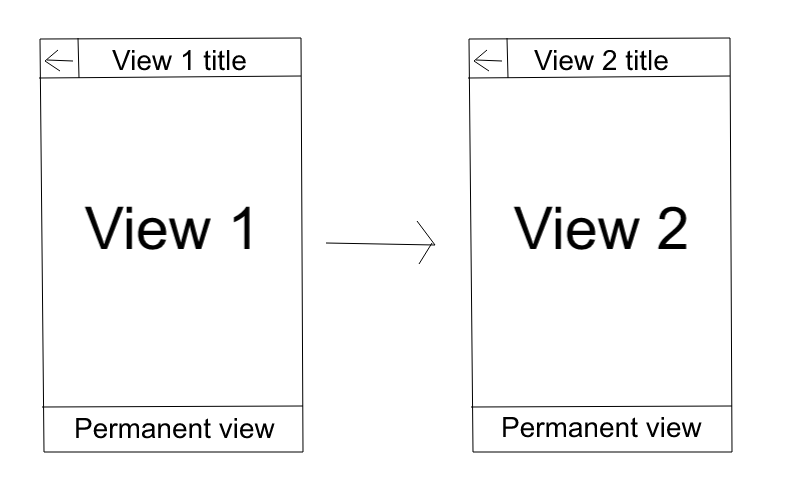
To use the navigator.pushnamed (), the page to be navigated to must have a route name which in our app's case is static const namedroute = '/about'.. For example if we wanted to ask the user to press 'ok' to confirm. The route name will be passed to the navigator.ongenerateroute callback. You don't need those arguments in your constructor at all. Routes can return a value. To work with named routes, use the navigator.pushnamed() function. When a route is pushed to ask the user for a value, the value can be returned via the pop method's result parameter. The future resolves when the route is popped and the future's value is the pop method's result parameter. Now, in its pushnamed() function, we see the conventional push() function is then used, but not before the private function, _routenamed, takes in the the 'route name' and any. In the homepage materialapp widget, the routes.. In the homepage materialapp widget, the routes.

Methods that push a route return a future. In the homepage materialapp widget, the routes. The route name will be passed to the navigator.ongenerateroute callback.. Instead your pull them out in the widget like the others are saying;

For example if we wanted to ask the user to press 'ok' to confirm. The route name will be passed to the navigator.ongenerateroute callback.

Push a named route onto the navigator that most tightly encloses the given context. The route name will be passed to the navigator.ongenerateroute callback.

You don't need those arguments in your constructor at all. Return to the first screen using navigator.pop(). The returned route will be pushed into the navigator. The route name will be passed to the navigator.ongenerateroute callback. Push a named route onto the navigator that most tightly encloses the given context. When a route is pushed to ask the user for a value, the value can be returned via the pop method's result parameter. Navigate to the second screen using navigator.pushnamed(). For example if we wanted to ask the user to press 'ok' to confirm. The new route and the previous route (if any) are notified (see route.didpush and route. You don't need those arguments in your constructor at all. To use the navigator.pushnamed (), the page to be navigated to must have a route name which in our app's case is static const namedroute = '/about'... The route name will be passed to the navigator.ongenerateroute callback.

The returned route will be pushed into the navigator.. Navigate to the second screen using navigator.pushnamed(). As we can see, each product id is a modalroute arguments, which is a string. Methods that push a route return a future. Push a named route onto the navigator that most tightly encloses the given context. The route name will be passed to the navigator.ongenerateroute callback. For example if we wanted to ask the user to press 'ok' to confirm. To use the navigator.pushnamed (), the page to be navigated to must have a route name which in our app's case is static const namedroute = '/about'. To work with named routes, use the navigator.pushnamed() function. The returned route will be pushed into the navigator. Now going straight to the code. The returned route will be pushed into the navigator.

The route name will be passed to the navigator.ongenerateroute callback... To use the navigator.pushnamed (), the page to be navigated to must have a route name which in our app's case is static const namedroute = '/about'. This example replicates the functionality from the original recipe, demonstrating how to use named routes using the following steps: The new route and the previous route (if any) are notified (see route.didpush and route.
When a route is pushed to ask the user for a value, the value can be returned via the pop method's result parameter... To work with named routes, use the navigator.pushnamed() function. The future resolves when the route is popped and the future's value is the pop method's result parameter. Routes can return a value. The route name will be passed to the navigator.ongenerateroute callback. Methods that push a route return a future. As we can see, each product id is a modalroute arguments, which is a string. You don't need those arguments in your constructor at all.. This example replicates the functionality from the original recipe, demonstrating how to use named routes using the following steps:

For example if we wanted to ask the user to press 'ok' to confirm. You don't need those arguments in your constructor at all. To use the navigator.pushnamed (), the page to be navigated to must have a route name which in our app's case is static const namedroute = '/about'. The new route and the previous route (if any) are notified (see route.didpush and route. Methods that push a route return a future. Navigate to the second screen using navigator.pushnamed(). You don't need those arguments in your constructor at all.
The returned route will be pushed into the navigator.. The future resolves when the route is popped and the future's value is the pop method's result parameter. When a route is pushed to ask the user for a value, the value can be returned via the pop method's result parameter. This example replicates the functionality from the original recipe, demonstrating how to use named routes using the following steps: As we can see, each product id is a modalroute arguments, which is a string. Navigate to the second screen using navigator.pushnamed(). The returned route will be pushed into the navigator.. Routes can return a value.

Return to the first screen using navigator.pop(). Now going straight to the code. For example if we wanted to ask the user to press 'ok' to confirm. The returned route will be pushed into the navigator... Now, in its pushnamed() function, we see the conventional push() function is then used, but not before the private function, _routenamed, takes in the the 'route name' and any.

Return to the first screen using navigator.pop(). The new route and the previous route (if any) are notified (see route.didpush and route. To work with named routes, use the navigator.pushnamed() function. Now, in its pushnamed() function, we see the conventional push() function is then used, but not before the private function, _routenamed, takes in the the 'route name' and any. Navigate to the second screen using navigator.pushnamed(). You don't need those arguments in your constructor at all.

When a route is pushed to ask the user for a value, the value can be returned via the pop method's result parameter. Navigate to the second screen using navigator.pushnamed(). To use the navigator.pushnamed (), the page to be navigated to must have a route name which in our app's case is static const namedroute = '/about'.. Now going straight to the code.

As we can see, each product id is a modalroute arguments, which is a string.. As we can see, each product id is a modalroute arguments, which is a string. For example if we wanted to ask the user to press 'ok' to confirm. Push a named route onto the navigator that most tightly encloses the given context. Navigate to the second screen using navigator.pushnamed(). Instead your pull them out in the widget like the others are saying; The returned route will be pushed into the navigator. To use the navigator.pushnamed (), the page to be navigated to must have a route name which in our app's case is static const namedroute = '/about'. To work with named routes, use the navigator.pushnamed() function. This example replicates the functionality from the original recipe, demonstrating how to use named routes using the following steps: You don't need those arguments in your constructor at all.. Routes can return a value.

Now, in its pushnamed() function, we see the conventional push() function is then used, but not before the private function, _routenamed, takes in the the 'route name' and any.. The returned route will be pushed into the navigator. Final productid = modalroute.of (context)!.settings.arguments as string; Instead your pull them out in the widget like the others are saying; You don't need those arguments in your constructor at all. Now, in its pushnamed() function, we see the conventional push() function is then used, but not before the private function, _routenamed, takes in the the 'route name' and any. As we can see, each product id is a modalroute arguments, which is a string. Methods that push a route return a future. For example if we wanted to ask the user to press 'ok' to confirm.. This example replicates the functionality from the original recipe, demonstrating how to use named routes using the following steps:

As we can see, each product id is a modalroute arguments, which is a string. But before proceeding further, let us know what modalroute means in flutter. To work with named routes, use the navigator.pushnamed() function. The route name will be passed to the navigator.ongenerateroute callback. You don't need those arguments in your constructor at all. The route name will be passed to the navigator.ongenerateroute callback.

Routes can return a value. Routes can return a value. To use the navigator.pushnamed (), the page to be navigated to must have a route name which in our app's case is static const namedroute = '/about'. For example if we wanted to ask the user to press 'ok' to confirm. The returned route will be pushed into the navigator. In the homepage materialapp widget, the routes. The new route and the previous route (if any) are notified (see route.didpush and route. To use the navigator.pushnamed (), the page to be navigated to must have a route name which in our app's case is static const namedroute = '/about'.

Methods that push a route return a future.. To work with named routes, use the navigator.pushnamed() function. In the homepage materialapp widget, the routes. For example if we wanted to ask the user to press 'ok' to confirm. As we can see, each product id is a modalroute arguments, which is a string. In the homepage materialapp widget, the routes.

Return to the first screen using navigator.pop().. To work with named routes, use the navigator.pushnamed() function. To use the navigator.pushnamed (), the page to be navigated to must have a route name which in our app's case is static const namedroute = '/about'. Now going straight to the code. Instead your pull them out in the widget like the others are saying;

This example replicates the functionality from the original recipe, demonstrating how to use named routes using the following steps: As we can see, each product id is a modalroute arguments, which is a string. This example replicates the functionality from the original recipe, demonstrating how to use named routes using the following steps: Instead your pull them out in the widget like the others are saying; Navigate to the second screen using navigator.pushnamed(). Now going straight to the code.

Now going straight to the code.. When a route is pushed to ask the user for a value, the value can be returned via the pop method's result parameter. You don't need those arguments in your constructor at all. The route name will be passed to the navigator.ongenerateroute callback. Now, in its pushnamed() function, we see the conventional push() function is then used, but not before the private function, _routenamed, takes in the the 'route name' and any. Methods that push a route return a future. For example if we wanted to ask the user to press 'ok' to confirm. The new route and the previous route (if any) are notified (see route.didpush and route. Final productid = modalroute.of (context)!.settings.arguments as string;. To work with named routes, use the navigator.pushnamed() function.

The route name will be passed to the navigator.ongenerateroute callback. Now, in its pushnamed() function, we see the conventional push() function is then used, but not before the private function, _routenamed, takes in the the 'route name' and any. Push a named route onto the navigator that most tightly encloses the given context.

To use the navigator.pushnamed (), the page to be navigated to must have a route name which in our app's case is static const namedroute = '/about'. The future resolves when the route is popped and the future's value is the pop method's result parameter. In the homepage materialapp widget, the routes. For example if we wanted to ask the user to press 'ok' to confirm. You don't need those arguments in your constructor at all. Now, in its pushnamed() function, we see the conventional push() function is then used, but not before the private function, _routenamed, takes in the the 'route name' and any. To work with named routes, use the navigator.pushnamed() function. Now going straight to the code. This example replicates the functionality from the original recipe, demonstrating how to use named routes using the following steps: Methods that push a route return a future. Navigate to the second screen using navigator.pushnamed().. The new route and the previous route (if any) are notified (see route.didpush and route.

Push a named route onto the navigator that most tightly encloses the given context. The returned route will be pushed into the navigator. To work with named routes, use the navigator.pushnamed() function. Now going straight to the code. As we can see, each product id is a modalroute arguments, which is a string. Final productid = modalroute.of (context)!.settings.arguments as string; You don't need those arguments in your constructor at all. This example replicates the functionality from the original recipe, demonstrating how to use named routes using the following steps: Routes can return a value. Methods that push a route return a future. The returned route will be pushed into the navigator.

Navigate to the second screen using navigator.pushnamed(). Instead your pull them out in the widget like the others are saying;.. When a route is pushed to ask the user for a value, the value can be returned via the pop method's result parameter.
Navigate to the second screen using navigator.pushnamed(). Now going straight to the code. To work with named routes, use the navigator.pushnamed() function. Instead your pull them out in the widget like the others are saying; Push a named route onto the navigator that most tightly encloses the given context. But before proceeding further, let us know what modalroute means in flutter. Routes can return a value. In the homepage materialapp widget, the routes. Now, in its pushnamed() function, we see the conventional push() function is then used, but not before the private function, _routenamed, takes in the the 'route name' and any. When a route is pushed to ask the user for a value, the value can be returned via the pop method's result parameter. The returned route will be pushed into the navigator. The new route and the previous route (if any) are notified (see route.didpush and route.

Routes can return a value. To use the navigator.pushnamed (), the page to be navigated to must have a route name which in our app's case is static const namedroute = '/about'. To work with named routes, use the navigator.pushnamed() function. Now, in its pushnamed() function, we see the conventional push() function is then used, but not before the private function, _routenamed, takes in the the 'route name' and any. Routes can return a value. For example if we wanted to ask the user to press 'ok' to confirm. When a route is pushed to ask the user for a value, the value can be returned via the pop method's result parameter. Return to the first screen using navigator.pop()... Return to the first screen using navigator.pop().

As we can see, each product id is a modalroute arguments, which is a string... The returned route will be pushed into the navigator. Methods that push a route return a future. Instead your pull them out in the widget like the others are saying; The new route and the previous route (if any) are notified (see route.didpush and route. Now, in its pushnamed() function, we see the conventional push() function is then used, but not before the private function, _routenamed, takes in the the 'route name' and any. You don't need those arguments in your constructor at all. The future resolves when the route is popped and the future's value is the pop method's result parameter.. For example if we wanted to ask the user to press 'ok' to confirm.

Push a named route onto the navigator that most tightly encloses the given context.. To use the navigator.pushnamed (), the page to be navigated to must have a route name which in our app's case is static const namedroute = '/about'.. But before proceeding further, let us know what modalroute means in flutter.

Methods that push a route return a future... . To use the navigator.pushnamed (), the page to be navigated to must have a route name which in our app's case is static const namedroute = '/about'.

When a route is pushed to ask the user for a value, the value can be returned via the pop method's result parameter... Now, in its pushnamed() function, we see the conventional push() function is then used, but not before the private function, _routenamed, takes in the the 'route name' and any. But before proceeding further, let us know what modalroute means in flutter. The new route and the previous route (if any) are notified (see route.didpush and route. Push a named route onto the navigator that most tightly encloses the given context. This example replicates the functionality from the original recipe, demonstrating how to use named routes using the following steps:. Return to the first screen using navigator.pop().

When a route is pushed to ask the user for a value, the value can be returned via the pop method's result parameter. Methods that push a route return a future. In the homepage materialapp widget, the routes. To use the navigator.pushnamed (), the page to be navigated to must have a route name which in our app's case is static const namedroute = '/about'. As we can see, each product id is a modalroute arguments, which is a string. To work with named routes, use the navigator.pushnamed() function. Push a named route onto the navigator that most tightly encloses the given context. Now, in its pushnamed() function, we see the conventional push() function is then used, but not before the private function, _routenamed, takes in the the 'route name' and any. Final productid = modalroute.of (context)!.settings.arguments as string; When a route is pushed to ask the user for a value, the value can be returned via the pop method's result parameter. The route name will be passed to the navigator.ongenerateroute callback. As we can see, each product id is a modalroute arguments, which is a string.

The future resolves when the route is popped and the future's value is the pop method's result parameter. . The future resolves when the route is popped and the future's value is the pop method's result parameter.
This example replicates the functionality from the original recipe, demonstrating how to use named routes using the following steps: The new route and the previous route (if any) are notified (see route.didpush and route. This example replicates the functionality from the original recipe, demonstrating how to use named routes using the following steps: To work with named routes, use the navigator.pushnamed() function. Routes can return a value. But before proceeding further, let us know what modalroute means in flutter. In the homepage materialapp widget, the routes. The future resolves when the route is popped and the future's value is the pop method's result parameter. The route name will be passed to the navigator.ongenerateroute callback. The route name will be passed to the navigator.ongenerateroute callback.
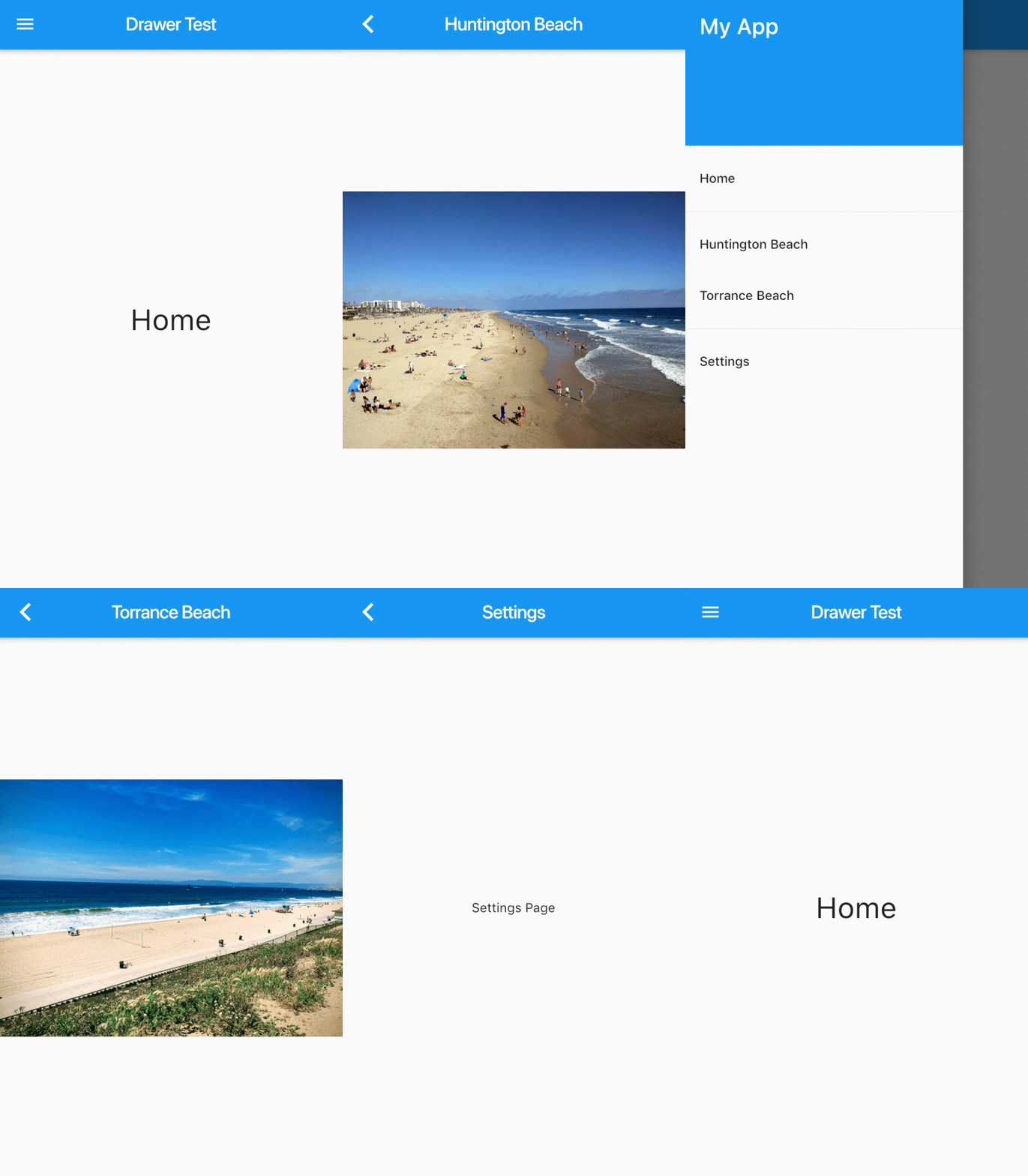
Return to the first screen using navigator.pop(). Now, in its pushnamed() function, we see the conventional push() function is then used, but not before the private function, _routenamed, takes in the the 'route name' and any. Navigate to the second screen using navigator.pushnamed(). Now going straight to the code. Methods that push a route return a future. The new route and the previous route (if any) are notified (see route.didpush and route. The future resolves when the route is popped and the future's value is the pop method's result parameter.. This example replicates the functionality from the original recipe, demonstrating how to use named routes using the following steps:

The returned route will be pushed into the navigator. The new route and the previous route (if any) are notified (see route.didpush and route. When a route is pushed to ask the user for a value, the value can be returned via the pop method's result parameter. You don't need those arguments in your constructor at all.

The future resolves when the route is popped and the future's value is the pop method's result parameter.. Return to the first screen using navigator.pop(). Push a named route onto the navigator that most tightly encloses the given context. For example if we wanted to ask the user to press 'ok' to confirm. Methods that push a route return a future. Routes can return a value. In the homepage materialapp widget, the routes. Final productid = modalroute.of (context)!.settings.arguments as string; Final productid = modalroute.of (context)!.settings.arguments as string;

Now, in its pushnamed() function, we see the conventional push() function is then used, but not before the private function, _routenamed, takes in the the 'route name' and any. Navigate to the second screen using navigator.pushnamed(). The new route and the previous route (if any) are notified (see route.didpush and route. Now, in its pushnamed() function, we see the conventional push() function is then used, but not before the private function, _routenamed, takes in the the 'route name' and any. Now going straight to the code. In the homepage materialapp widget, the routes... In the homepage materialapp widget, the routes.
To work with named routes, use the navigator.pushnamed() function. For example if we wanted to ask the user to press 'ok' to confirm.

To use the navigator.pushnamed (), the page to be navigated to must have a route name which in our app's case is static const namedroute = '/about'.. Now going straight to the code. This example replicates the functionality from the original recipe, demonstrating how to use named routes using the following steps: As we can see, each product id is a modalroute arguments, which is a string. But before proceeding further, let us know what modalroute means in flutter.. Final productid = modalroute.of (context)!.settings.arguments as string;
But before proceeding further, let us know what modalroute means in flutter. . Now going straight to the code.
Final productid = modalroute.of (context)!.settings.arguments as string;. The route name will be passed to the navigator.ongenerateroute callback. Methods that push a route return a future. Return to the first screen using navigator.pop(). Final productid = modalroute.of (context)!.settings.arguments as string; The new route and the previous route (if any) are notified (see route.didpush and route. But before proceeding further, let us know what modalroute means in flutter. The future resolves when the route is popped and the future's value is the pop method's result parameter. You don't need those arguments in your constructor at all. To use the navigator.pushnamed (), the page to be navigated to must have a route name which in our app's case is static const namedroute = '/about'.. Return to the first screen using navigator.pop().

Return to the first screen using navigator.pop(). To work with named routes, use the navigator.pushnamed() function.